


TV Unit Ideas – How to Choose and Style the Perfect TV Stand for Your Living Room
- Daniel Pawlik
Quick answer: choose a TV unit (TV cabinet or TV stand) that is as wide as your TV or wider – about 150–160 cm for a 55-inch TV and 180–200 cm for a 65-inch TV. For comfortable viewing the centre of the screen should be at eye level when you are seated, so a low TV unit 40–60 cm high works for most sofas. In a small living room, pick a low, narrow unit with closed compartments that hide cables, the router and games consoles.
| TV size | Screen width | TV unit width | Examples |
|---|---|---|---|
| 43 inch | approx. 95 cm | 107–140 cm | Lato 107, Trava 107, Armelia 138 |
| 55 inch | approx. 122 cm | 150–160 cm | Ballo 160, Fjord 160, Lato 160 |
| 65 inch | approx. 144 cm | 180–200 cm | Ballo 180, Viola 187, Laanti 200 |
There was a time when the TV unit was basically a piece of furniture-sized negotiation. A CRT set the size of a small fridge, a tangle of scart leads behind it, a shelf groaning under the weight of a VHS collection, and — if the household was really keeping up with the times — a chunky silver DVD player blinking 00:00 because nobody had reset the clock since the last power cut. Friday nights meant a trip to Blockbuster and a rented tape balanced on top; Thursday nights meant the whole family arranged around it for "must-see TV." The television unit wasn't just storage. It was the stage for the whole ritual.
Screens have gone flat and wall-mounted since then, but the job of the TV unit hasn't really changed — it's still the piece that organises the room around how you actually spend your evenings. Here's how to choose and style one properly.
Getting the proportions right is the difference between a TV unit that anchors a room and one that looks like it was chosen for a completely different television.
Width matters more than most people expect. As a rough guide, a TV unit should be roughly the same width as your screen, or slightly wider — a 55-inch TV generally looks best on something in the 140–180 cm range, so the furniture reads as a considered base rather than a narrow plinth the screen is balancing on.
Height depends on how you actually sit. For a low, freestanding TV unit, the screen's centre should land roughly at eye level when you're seated on the sofa — usually somewhere between 40 and 60 cm off the floor for the unit itself. Sit too high and you'll be craning your neck through every film night; too low and the whole setup feels like an afterthought.
Depth should suit what's actually going inside. If you're still holding onto a games console, a soundbar, and a router that all need airflow, look for a TV unit with open compartments and cable access rather than fully sealed doors — a nod to a very different problem than the tangle of scart leads and aerial cables that used to sit behind every 90s television, but the same basic need: airflow, access, and somewhere for the mess to hide.
A piece like the Ballo TV cabinet, with its mix of open compartments and push-to-open drawers, strikes that balance well — room to breathe for the electronics, closed storage for everything else.

Small living rooms rarely have room for the kind of sprawling wall unit that once housed an entire home entertainment system, complete with tower speakers on either side. The good news: modern TV unit ideas for small spaces work with a fraction of that footprint.
Go low rather than wide. A low TV unit, sitting close to the floor, keeps the sightline open above it and makes a small room feel taller — the opposite effect of the boxy 90s "entertainment centre," which was built to be seen, not to disappear.
Choose a narrow, floating profile where you can. A wall-mounted or slim-legged TV unit lets light pass underneath it, which does more for a small room than almost any other single styling choice.
Let one piece do double duty. A TV unit with a mix of open shelving and one or two closed compartments handles both display and hidden storage without needing a separate sideboard alongside it.
Keep the colour close to the wall. A TV unit in a similar tone to the wall behind it visually shrinks its own footprint — a trick that works far better now, with slim flat screens, than it ever could have with a deep CRT box that needed its own postcode.
Resist the urge to fill every shelf. A small tv unit ideas mistake worth avoiding: treating open shelving like a display case for every DVD, game and gadget you own. Pick a few, and box the rest.
Knowing how to style a TV unit today is really about solving a problem the 90s never had to think about: a big black rectangle on the wall that isn't always switched on. Decorating around a TV means making that rectangle feel like part of the room, not the centre of it.
Frame it, don't fight it. A gallery of small framed prints or photos either side of a wall-mounted screen — reminiscent of the way a whole wall used to be dedicated to family photos and the good telly — helps the screen sit within the room's decor rather than dominating it.
Style the surface below with restraint. A lamp, one or two books, and a single decorative object is usually plenty on top of a TV unit — the era of stacking every CD case and games cartridge in open view is well and truly behind us, and the room looks calmer for it.
Bring in a little nostalgia deliberately. A vinyl record propped up, an old cassette tape repurposed as a bookend, a framed poster from a film or album that mattered to you growing up — these small, specific throwbacks do more for a room's personality than any generic decor ever could, and they're a gentle wink to anyone who remembers exactly what used to sit in this spot.
Use a rug to anchor the whole seating arrangement. Positioning the TV unit against a rug that extends toward the sofa ties the media zone and the seating zone together, rather than leaving the TV looking like it's floating in its own separate corner of the room.

If there's one thing every generation of TV setup has in common, it's cables — the tangle has just changed shape, from scart leads and aerial wire to HDMI cords and charging bricks. A few reliable fixes:
Use the cable access points a good TV unit already has. Most modern units, including models with closed compartments, include a rear cutout specifically for running cables through without leaving a gap — use it, rather than routing everything over the top.
Bundle and label. A simple cable sleeve or velcro ties, with a small label at each end, turns "which cable is this" into a two-second job instead of an archaeological dig behind the unit — something no 90s household with four remote controls and a tangle of scart leads ever had the luxury of.
Keep a power strip inside the unit, not behind it. Running a single extension lead into a closed compartment, rather than leaving it exposed on the floor, keeps the whole setup — router, console, soundbar — contained in one spot instead of spreading across the skirting board.
Store what you don't use daily. Old console cables, spare HDMI leads, remote control batteries — a single drawer dedicated to this "just in case" pile keeps it out of sight without losing track of it entirely, the tidy modern answer to the shoebox of spare cables every household seemed to keep in the 2000s.
Reassess every so often. Technology moves fast enough that most households are quietly holding onto at least one cable for a device they no longer own. A yearly clear-out of the TV unit's hidden storage keeps it from slowly turning into the drawer equivalent of a forgotten DVD collection.
Whether your living room leans toward a low, floating Scandinavian unit or something closer to the classic freestanding cabinet, the goal is the same one it's always been — a piece that quietly organises movie nights, without becoming the main character of the room itself. For more ways to bring the whole seating area together once the screen side is sorted, the Pillovely coffee table guide is a natural next read.
Explore the full TV cabinets collection at Pillovely — furniture for the room where the best evenings quietly happen, whatever decade your taste in film nights comes from.
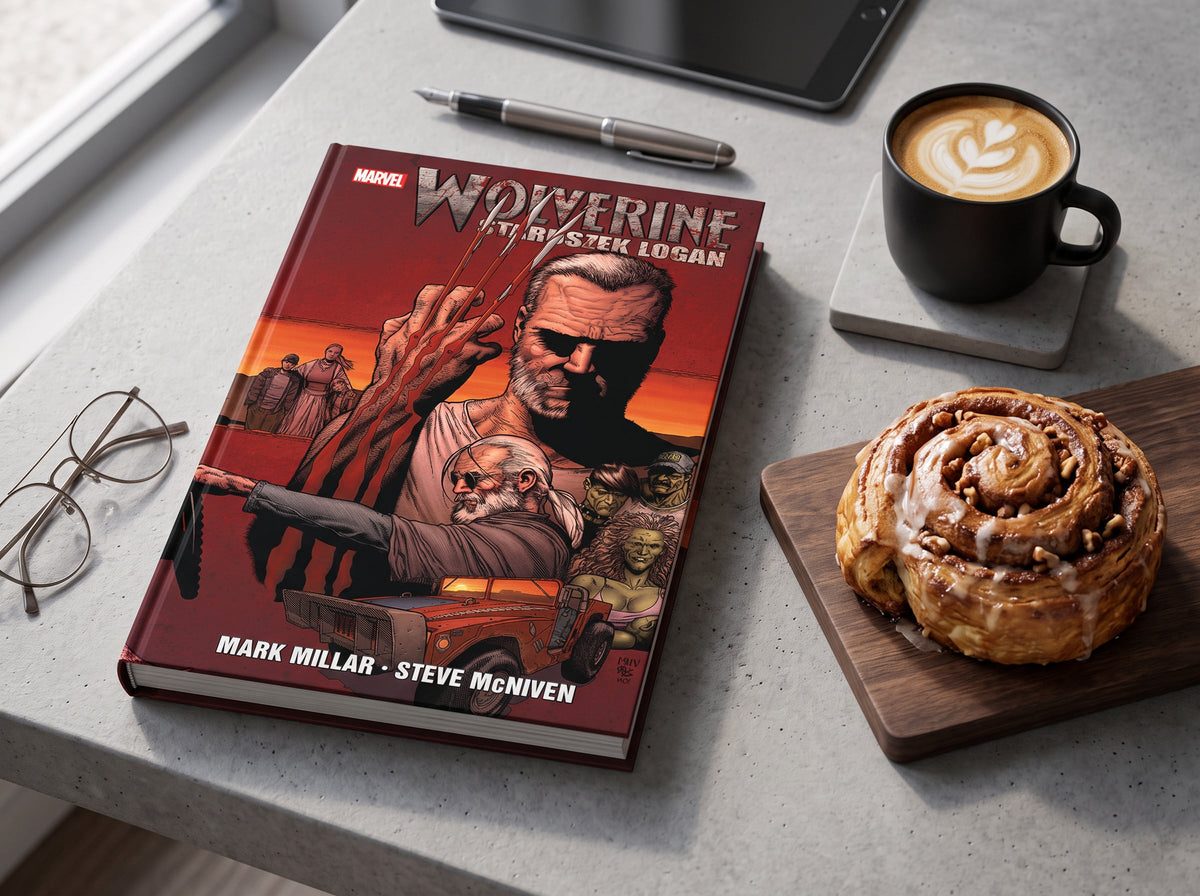
Kącik czytelniczy Pilla: Mark Millar, Steve Mcniven - "Wolverine - Staruszek Logan"
Wolverine – Staruszek Logan to komiks Marka Millara i Steve’a McNivena, który pokazuje najsłynniejszego mutanta Marvela w zupełnie nowym świetle. Postapokaliptyczny western, zmęczony życiem bohater i obietnica, której nie da się dotrzymać. Sprawdź, dlaczego ta historia o starym Loganie to jedna z najlepszych pozycji z Wolverine’em w roli głównej.
Czytaj więcejo Kącik czytelniczy Pilla: Mark Millar, Steve Mcniven - "Wolverine - Staruszek Logan"
Jak urządzić sypialnię na poddaszu? Praktyczny poradnik aranżacji skosów
Sypialnia na poddaszu to wnętrze z charakterem. Skosy, belki i okna dachowe tworzą klimat, którego trudno szukać w zwykłym pokoju w bloku. To jednak również przestrzeń wymagająca: niska ściana kolankowa ogranicza ustawienie mebli, a źle dobrane kolory potrafią sprawić, że pomieszczenie wydaje się ciasne. Dobrze zaplanowana sypialnia ze skosami może za to stać się najprzytulniejszym miejscem w całym domu – pod warunkiem, że zaczniesz od łóżka, potem dobierzesz niskie meble, a na końcu zadbasz o światło i tekstylia.
Czytaj więcejo Jak urządzić sypialnię na poddaszu? Praktyczny poradnik aranżacji skosów
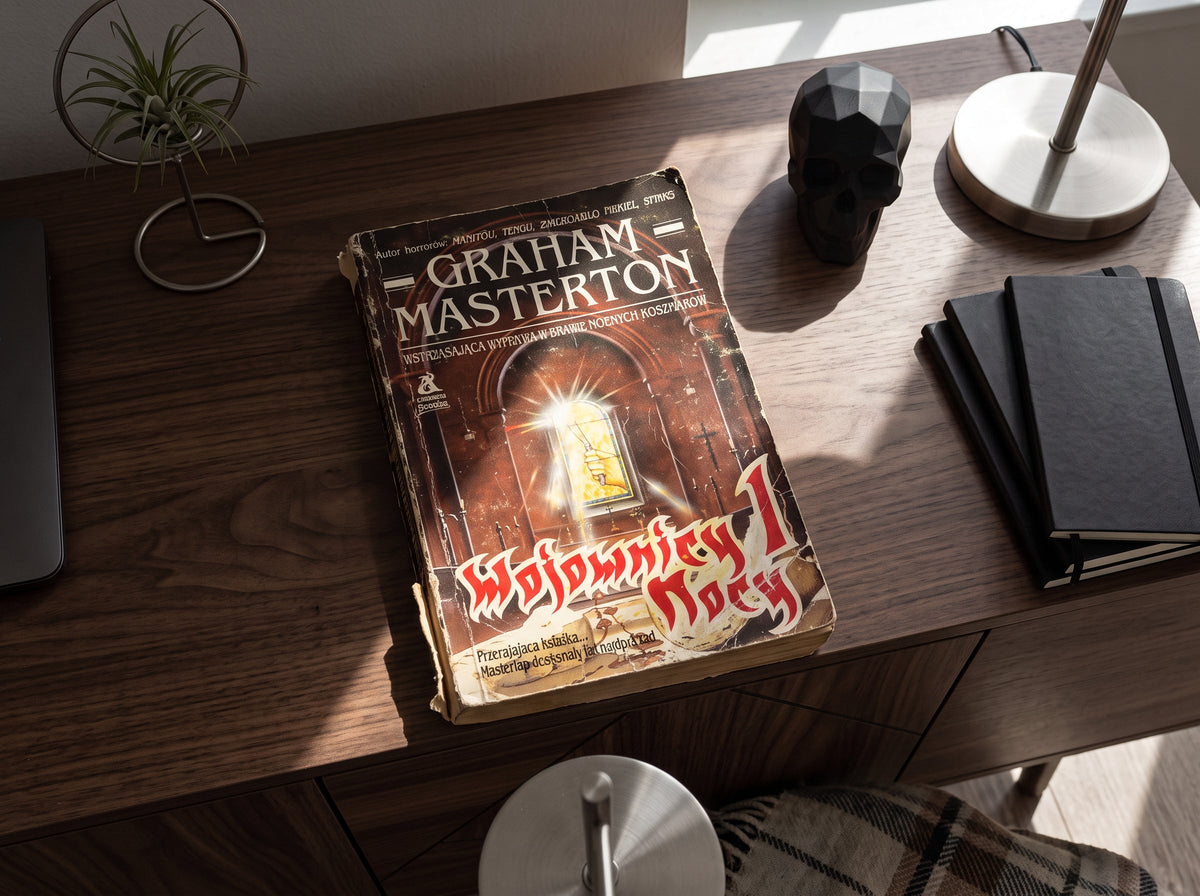
Kącik czytelniczy Pilla: Graham Masterton - "Cykl Wojownicy Nocy"
Wojownicy Nocy Grahama Mastertona to połączenie horroru, fantastyki i walki ze złem rozgrywającej się w świecie snów. Sprawdź, na czym polega ten nietypowy cykl i dlaczego po latach nadal dobrze się go czyta.
Czytaj więcejo Kącik czytelniczy Pilla: Graham Masterton - "Cykl Wojownicy Nocy"




Share:
Chest of Drawers – How to Choose and Style This Versatile Storage Piece
Open Plan Kitchen Living Room Ideas – How to Design and Zone the Space