


- Daniel Pawlik
Living Room Lighting Ideas – How to Choose Lamps for a Modern Living Room
- Daniel Pawlik
In the evening the same room can look completely different than during the day — and it is light, not furniture, that decides whether a living room feels warm and cosy or as cold as a doctor's waiting room. Good lighting is one of those things that is easy to leave until last, but it should really be planned alongside the furniture layout.
In this guide we show you which types of light to combine in one living room, which lamp to choose for each zone, how to use light to make a small living room look bigger and how to create a cosy mood in a living room with a TV and sofa.
A well-lit living room rarely relies on one central light — much better results come from combining several layers of lighting, suited to different times of day and different uses of the room.
The first layer is ambient (general) lighting, usually from the ceiling. Its job is to light the whole room evenly — useful for cleaning, entertaining and moving around. It should be neutral and functional, but it does not have to be the only light on in the evening.
The second layer is task lighting, focused on specific activities — a floor lamp next to a reading chair, a lamp on a side table by the sofa or lighting above the worktop if the living room opens onto a kitchen. It makes specific tasks easier without switching on the main ceiling light for one person reading a book.
The third layer is mood (accent) lighting — candles, LED strips and warm, dimmed lamps that create an evening atmosphere but have no practical purpose beyond that. It is this layer that most often decides whether a living room looks cosy or just dark in the evening.
Good lighting design combines all three layers, letting you adjust the intensity and character of light to the situation — from bright, functional light during the day to a soft, warm mood in the evening.
Pay attention to colour temperature too. Mixing bulbs with different colour temperatures in one room — for example cool white in the ceiling light and warm in the floor lamps — makes a living room look inconsistent, even if the fittings are well matched. It is good practice to stick to one colour temperature for the whole room, unless you deliberately differentiate between day and evening zones.

The right type of lamp depends on the zone it lights and the job it has to do.
Ceiling lights are the basic source of ambient light. Modern designs increasingly move away from a single central fitting towards track systems or several smaller fittings across the ceiling, giving more even, less harsh light than a traditional chandelier in the middle of the room.
Pendant lights work best as an accent over a specific point — a dining table, kitchen island or coffee table. Hung low, 60–75 cm above the surface, they create focused, intimate light and often become the visual centrepiece of the room.
Floor lamps are the most flexible solution — placed next to a sofa or armchair, they give comfortable light for reading or working without any electrical work. They are also a good way to light a corner that other sources do not reach.
Table lamps on a coffee table, side table or console complete the picture with low, intimate light — the kind most responsible for a cosy evening mood when the ceiling light is off.
In small living rooms, light can really change how spacious the room feels — well-planned lighting can do more to make a room look bigger than many design tricks.
The basic rule is to avoid one strong spotlight in favour of several softer, diffused sources — an evenly lit room looks bigger than the same room with one bright point and deep shadows in the corners. Also direct light towards the walls and ceiling, not only downwards — reflected light brightens the whole space and visually "pushes back" the walls.
Slim floor lamps or pendant lights instead of bulky floor-standing fittings save valuable space in a small living room while still providing task lighting. Consider lighting built into furniture too — for example lighting inside a TV unit — which adds depth without taking up floor or ceiling space.
Warm light of about 2700–3000 K also supports a cosy feel in small rooms, while cooler, bluish-white light is often felt as less comfortable in small, intimate spaces.
A living room where the TV and sofa are the heart of evening relaxation needs lighting designed for comfortable viewing, not just overall brightness.
The key rule is to avoid direct, harsh light on the TV screen — reflections and the contrast between a bright light source and a dark screen quickly tire the eyes. Soft, diffused background light works much better, such as an LED strip behind the TV or TV unit, which reduces the contrast between a bright screen and dark surroundings without causing reflections.
By the sofa, a combination of a floor lamp and table lamp giving warm, side light works well — enough for reading or conversation, but not so bright that it competes with the screen during a film. Dimmers on the main ceiling light let you switch in seconds from bright, functional light to a dimmed, cinema-like mood.
Candles or warm, flickering lamps in the sofa area are a lovely finishing touch — a detail that creates an evening atmosphere, especially during film marathons or nights in with friends.

Well-planned lighting is one of the most underrated parts of living room design — it can transform a room more than new furniture, and it genuinely affects everyday comfort, from morning coffee to evening relaxation in front of the TV.
Looking for furniture to create that mood? Explore Pillovely — our sofas, coffee tables and TV units work together to create a coherent, cosy interior.
Jak urządzić sypialnię na poddaszu? Praktyczny poradnik aranżacji skosów
Sypialnia na poddaszu to wnętrze z charakterem. Skosy, belki i okna dachowe tworzą klimat, którego trudno szukać w zwykłym pokoju w bloku. To jednak również przestrzeń wymagająca: niska ściana kolankowa ogranicza ustawienie mebli, a źle dobrane kolory potrafią sprawić, że pomieszczenie wydaje się ciasne. Dobrze zaplanowana sypialnia ze skosami może za to stać się najprzytulniejszym miejscem w całym domu – pod warunkiem, że zaczniesz od łóżka, potem dobierzesz niskie meble, a na końcu zadbasz o światło i tekstylia.
Czytaj więcejo Jak urządzić sypialnię na poddaszu? Praktyczny poradnik aranżacji skosów
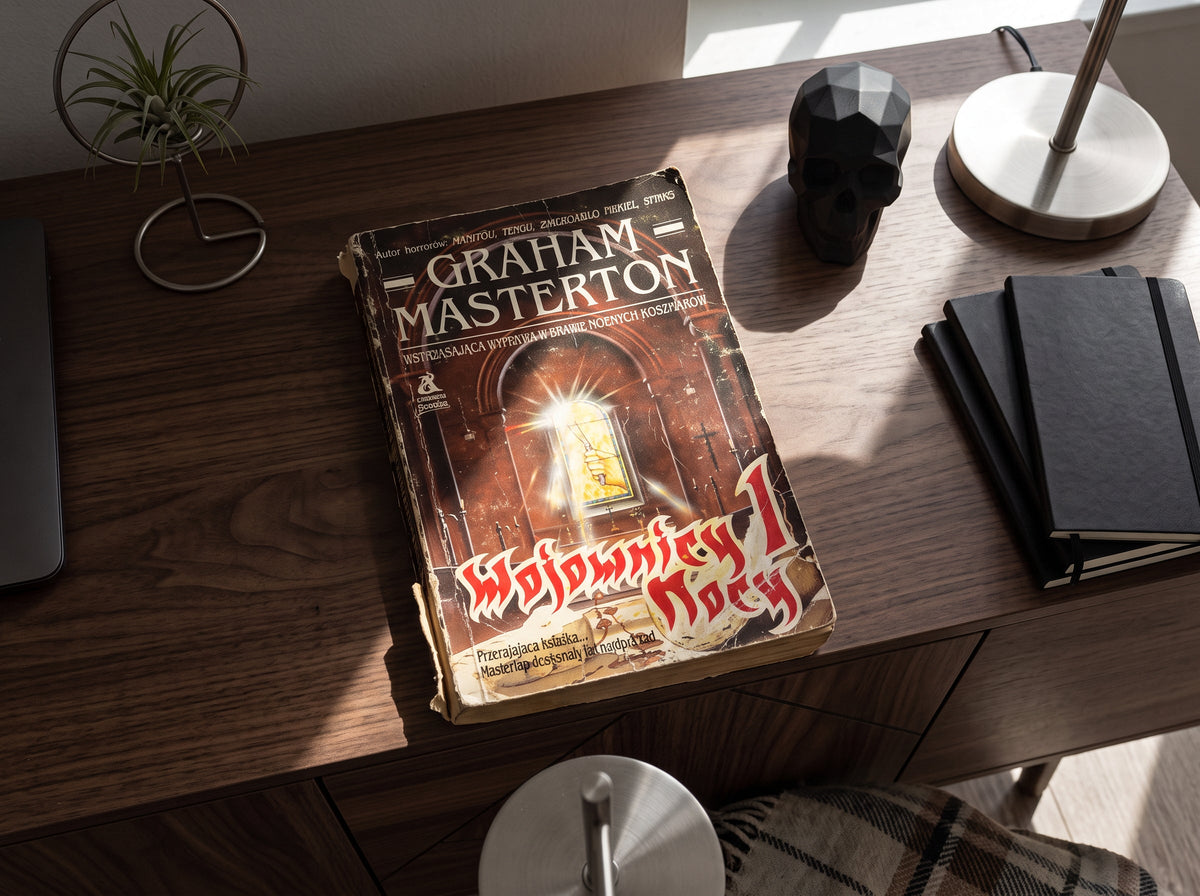
Kącik czytelniczy Pilla: Graham Masterton - "Cykl Wojownicy Nocy"
Wojownicy Nocy Grahama Mastertona to połączenie horroru, fantastyki i walki ze złem rozgrywającej się w świecie snów. Sprawdź, na czym polega ten nietypowy cykl i dlaczego po latach nadal dobrze się go czyta.
Czytaj więcejo Kącik czytelniczy Pilla: Graham Masterton - "Cykl Wojownicy Nocy"
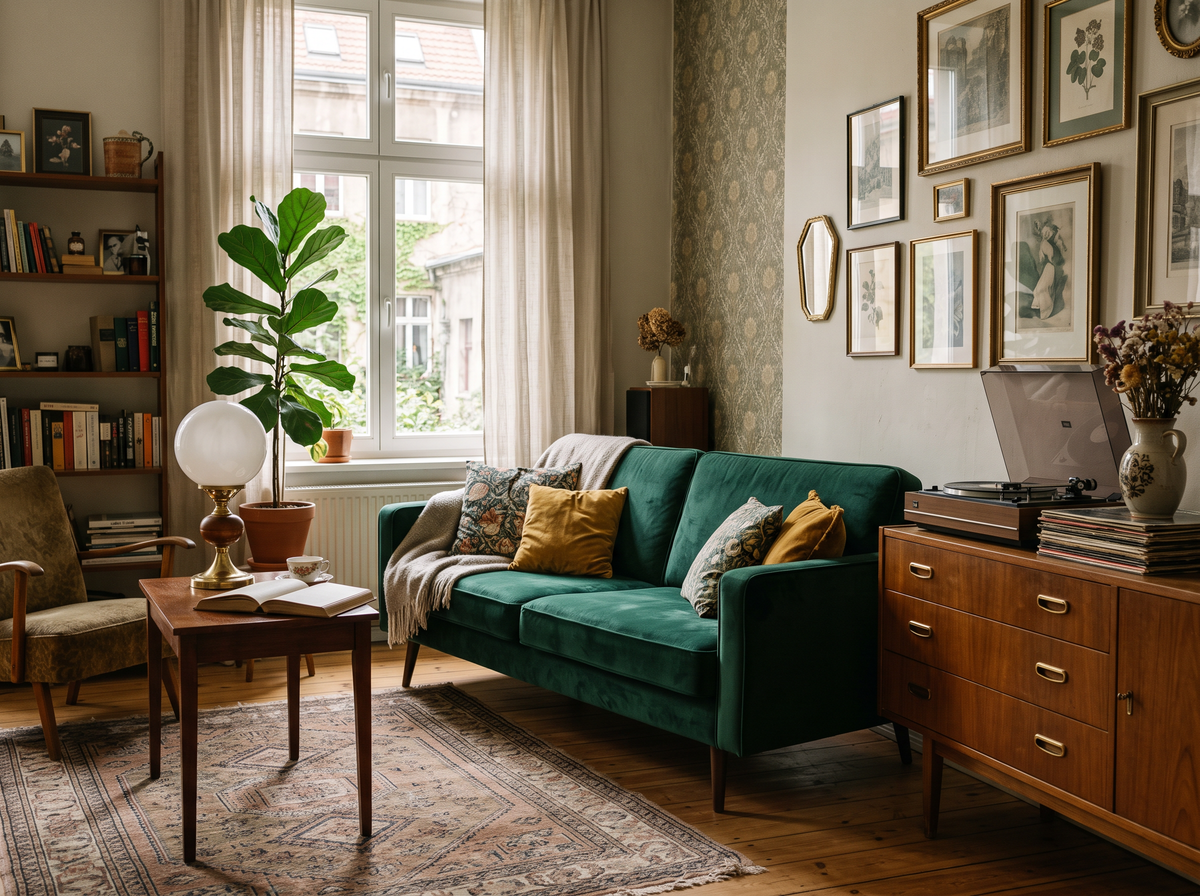
Styl vintage we wnętrzach - co to jest i jak urządzić mieszkanie z duszą retro?
Styl vintage we wnętrzach to sposób urządzania mieszkania, w którym ważne są historia, faktura, forma i świadome łączenie elementów z różnych dekad. Nie chodzi o stworzenie pokoju jak z muzeum ani o przypadkowe ustawienie starych mebli. Dobrze zaplanowany styl vintage pozwala połączyć meble z charakterem, miękkie tkaniny, drewno, szkło, ceramikę, metalowe detale i współczesną wygodę. Dzięki temu wnętrze wygląda naturalnie, ma własny rytm i nie sprawia wrażenia aranżacji złożonej z identycznych elementów.
Czytaj więcejo Styl vintage we wnętrzach - co to jest i jak urządzić mieszkanie z duszą retro?




Share:
Small Bedroom Ideas – How to Make the Most of a Compact Bedroom
Minimalist Interior Design – How to Create a Warm Minimalist Home