


Japandi Living Room – Minimalist Ideas for a Warm and Modern Home
- Daniel Pawlik
There's a particular feeling you get walking into a room that's calm without being cold — somewhere that breathes, where every object seems to have earned its place. That feeling has a name now: Japandi. It's the quiet meeting point between Japanese minimalism and Scandinavian warmth, and it's become one of the most loved approaches to modern living spaces.
If you've ever wanted a home that feels both serene and lived-in — the kind of space you'd happily come back to after a long day — a Japandi style living room might be exactly what you're after. Below, we'll explore how to build one, how to choose the right pieces, and how to make it work even in a smaller flat.
At its heart, the Japandi living room is about balance. Japanese design brings restraint, natural materials, and the philosophy of wabi-sabi — finding beauty in the imperfect and the worn. Scandinavian design adds hygge: comfort, warmth, and a focus on everyday wellbeing. Together they create something neither tradition manages alone — minimalism that actually feels welcoming.
To build that sense of calm, a few principles do most of the work:
Lead with natural materials — light woods (oak, ash, walnut), linen, cotton, bamboo, rattan, stone, and ceramic
Keep a grounded colour palette — warm whites, soft beiges, muted greys, and earthy greens, with the occasional charcoal or black for contrast
Embrace negative space — leave room to breathe; not every wall or surface needs filling
Choose quality over quantity — fewer, better objects that you genuinely love
Layer texture, not clutter — a chunky knit throw, a handwoven basket, a rough ceramic bowl
The result is a space that feels intentional. There's a subtle nostalgia to it, too — Japandi interior design borrows from craftsmanship traditions that value the handmade and the long-lasting, the way a piece passed down through a family carries a quiet story. If you'd like to go deeper on building a calming palette, you can read more in our dedicated guide to natural colour schemes.

The sofa anchors the entire room, so it's worth getting right. A Japandi sofa leans toward clean, low-profile silhouettes — nothing oversized or fussy, but always comfortable enough to sink into on a slow Sunday.
Here's what we recommend looking for in a Japandi style sofa:
A low, horizontal profile — Japandi favours sofas that sit closer to the floor, echoing Japanese design
Natural, tactile upholstery — linen, cotton, bouclé, or wool blends in neutral tones rather than glossy or synthetic fabrics
Visible wooden or slim metal legs — they keep the piece feeling light and airy rather than heavy
Soft but structured cushions — comfort matters, but the lines should stay clean
A muted colour — oatmeal, sand, soft grey, or sage green sit perfectly within the palette
A simple two- or three-seater in warm beige linen with pale wooden legs is almost a Japandi shorthand — it works whether your room leans more Japanese-spare or Scandinavian-cosy. If you're styling around it, keep cushions tonal and textural rather than brightly patterned; the sofa should feel like a place to rest the eyes, not just the body. You can explore our range of low-profile, naturally upholstered sofas at Pillovely.
One of the loveliest things about this style is how naturally it suits compact homes. A small Japandi living room often looks better than a large one, because minimalism does the heavy lifting — less visual noise makes any space feel bigger and calmer.
If you're working with limited square metres, these Japandi living room ideas help the room feel open and intentional:
Choose low furniture — low-profile sofas and tables draw the eye downward and make ceilings feel higher
Go for legs you can see under — furniture raised on slim legs lets light and floor show through, which visually expands the room
Stick to a tight palette — two or three tones throughout keeps a small room from feeling busy
Use multifunctional pieces — a coffee table with hidden storage, a bench that doubles as a shelf
Let in natural light — sheer linen curtains instead of heavy drapes, and mirrors to bounce daylight around
Decorate with restraint — one beautiful ceramic vase beats a shelf crowded with trinkets
A practical tip we often share: in a small Japandi living room, leave at least one surface almost completely empty. That single patch of breathing space tells the eye the whole room is calm, even when the rest is gently styled. For more on arranging compact interiors, our small-space layout guide goes into detail.
Once the sofa is settled and the layout works, the finishing layer of Japandi furniture and accessories is what brings the room to life — quietly, never loudly.
The Japandi coffee table deserves special attention, because it sits at the centre of everything. Look for:
Solid wood or wood-and-stone construction — oak, walnut, or a pale ash with visible grain
Simple, rounded or rectangular forms — organic edges feel softer and more handmade
A low height — matching the low sofa keeps proportions harmonious
Functional simplicity — a lower shelf or subtle drawer adds storage without breaking the clean lines
Around it, the accessories do the rest of the storytelling. A few that capture Japandi interior design beautifully:
Handmade ceramics — a textured vase, a stoneware bowl, an imperfect mug left out on purpose
Woven and natural textures — rattan baskets, jute rugs, linen cushions
Greenery, used sparingly — a single sculptural plant (an olive tree, a bonsai, or a trailing pothos) rather than a jungle
Warm, dimmable lighting — paper lanterns, ceramic table lamps, and warm bulbs around 2700K
A few meaningful objects — a stack of well-loved books, a piece of art with personal weight
The guiding question for every object is simple: does it earn its place? Japandi furniture rewards that kind of editing. The room becomes less about stuff and more about how it feels to live there. You can find coffee tables, lighting, and natural accessories that fit this philosophy at pillovely.com.

What colours work best in a Japandi living room?
Warm neutrals form the base — soft whites, beige, oatmeal, and muted grey — accented with earthy greens, terracotta, and the occasional charcoal or black for contrast and depth.
Is Japandi the same as minimalism?
Not quite. Japandi shares minimalism's restraint, but it's warmer and more tactile. Where pure minimalism can feel stark, Japandi softens the look with natural textures and a sense of comfort.
Can Japandi work in a small apartment?
Yes — it's one of the best styles for compact spaces. Low furniture, a tight palette, and intentional negative space all make a small Japandi living room feel larger and calmer than it actually is.
What kind of sofa suits a Japandi living room?
A low-profile Japandi style sofa in natural upholstery — linen, cotton, or bouclé — in a muted tone, ideally with visible wooden legs. Comfort with clean lines is the goal.
How do I add warmth without breaking the minimalist look?
Layer textures rather than colours or clutter. A chunky wool throw, a woven basket, handmade ceramics, and warm lighting add cosiness while keeping the space calm and uncluttered.
What materials define Japandi interior design?
Light and mid-toned woods, linen, cotton, rattan, bamboo, stone, and ceramic. The emphasis is always on natural, tactile, and well-crafted materials that age gracefully.
A Japandi living room isn't built in a single afternoon — it's gathered slowly, one considered piece at a time, until the whole space feels like a deep breath. If you'd like to start with the right foundations, take a look at our collection of low-profile sofas, natural-wood tables, and handmade accessories at pillovely.com. The calmest rooms are rarely the most decorated ones — they're simply the ones that feel like home.
If you enjoyed this text, be sure to check out our other inspirations as well:
Blush Pink Color – How to Style It with Furniture and Accessories for a Modern Home
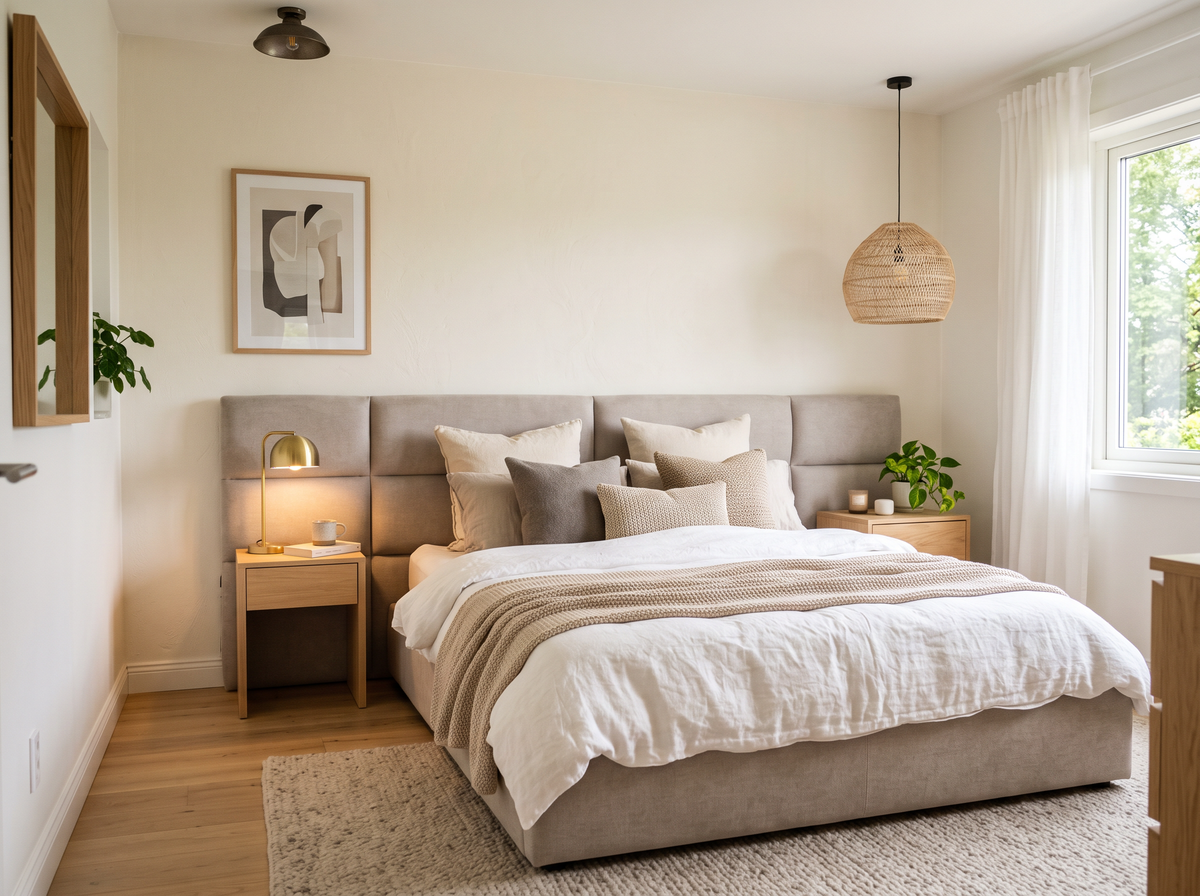
Łóżko tapicerowane – jak wybrać i czym różni się od innych łóżek?
Łóżko to jeden z najważniejszych mebli w sypialni. To nie tylko miejsce, w którym śpisz, ale również centralny punkt całej aranżacji – element, który nadaje wnętrzu charakter i wpływa na jego atmosferę. W ostatnich latach dużą popularnością cieszy się łóżko tapicerowane, które łączy wygodę, efektowny wygląd i możliwość dopasowania do różnych stylów wnętrz. Czym właściwie różni się od łóżek drewnianych czy kontynentalnych? Na co zwrócić uwagę podczas zakupu i czy warto wybrać model z pojemnikiem? Podpowiadamy, jak wybrać łóżko tapicerowane, które będzie dobrze wyglądać i służyć przez lata.
Czytaj więcejo Łóżko tapicerowane – jak wybrać i czym różni się od innych łóżek?
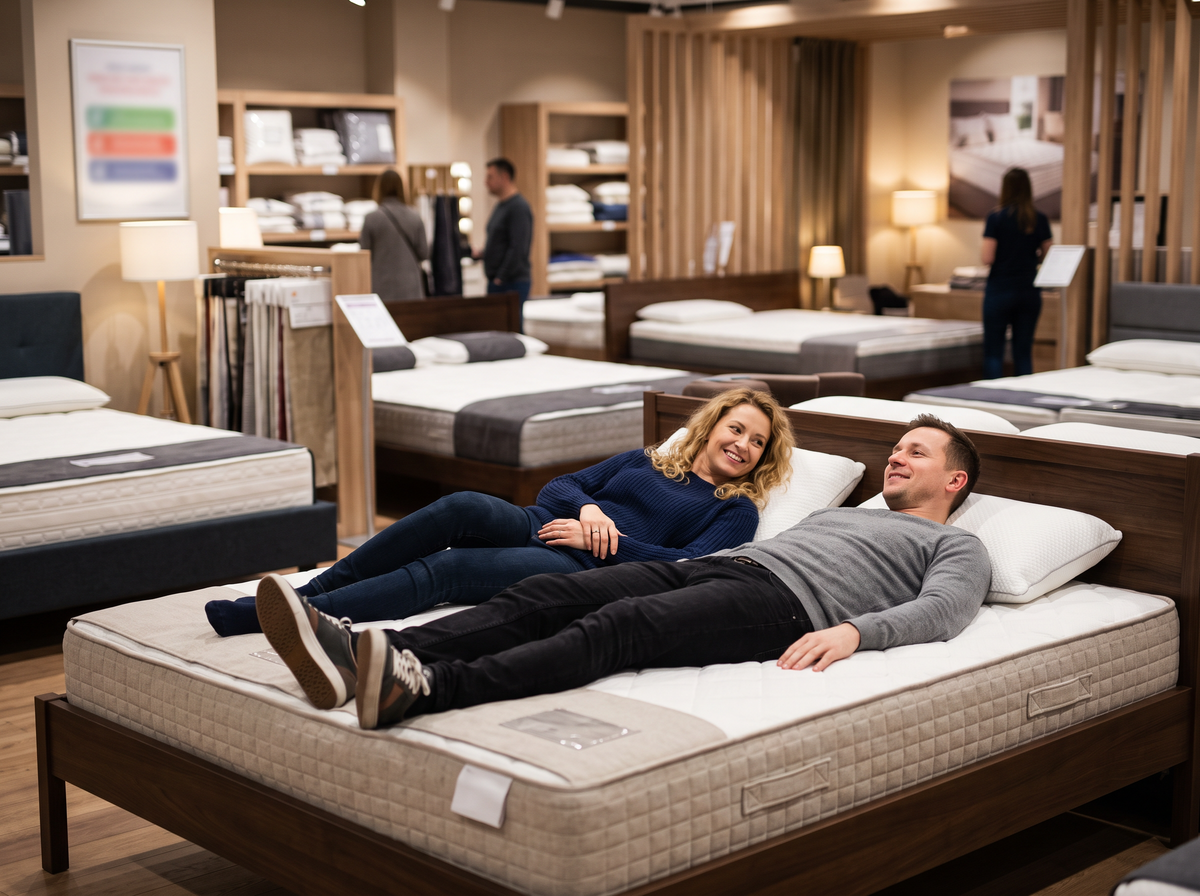
Materac piankowy czy sprężynowy? Porównanie, które pomoże Ci wybrać
Wybór materaca to jedna z tych decyzji, które mają bezpośredni wpływ na codzienny komfort. W końcu to właśnie na nim spędzamy znaczną część życia – odpoczywamy po intensywnym dniu, regenerujemy się i zaczynamy kolejny poranek. Nic więc dziwnego, że pytanie „materac piankowy czy sprężynowy?” pojawia się bardzo często podczas urządzania sypialni. Oba rozwiązania mają swoje zalety, ale różnią się konstrukcją, sposobem podparcia i odczuciami podczas snu. Który materac będzie lepszy dla Ciebie? Sprawdź najważniejsze różnice i dowiedz się, na co zwrócić uwagę przed zakupem.
Czytaj więcejo Materac piankowy czy sprężynowy? Porównanie, które pomoże Ci wybrać
Kącik czytelniczy Pilla: Todd Mcfarlane - "Spawn"
Zdradzony, zamordowany i odesłany prosto do piekła. Brzmi jak koniec historii? Niekoniecznie.
Spawn wraca na ziemię jako coś znacznie więcej niż człowiek, a wraz z nim zaczyna się historia pełna zemsty, demonów, osobistych dramatów i konfliktu dobra ze złem. No i jak się szybko okazuje, piekło chyba trochę przeceniło swoją kontrolę nad nowym dowódcą swojej armii.
Czytaj więcejo Kącik czytelniczy Pilla: Todd Mcfarlane - "Spawn"




Share:
Blush Pink Color – How to Style It with Furniture and Accessories for a Modern Home
Purple Living Room Decor – Elegant Ideas for a Stylish and Modern Interior