


Extendable Dining Table – How to Choose the Right Size, Shape and Mechanism
- Daniel Pawlik
There's a particular sound to family Sunday lunches. The scrape of chairs being pulled out. The clink of the second bottle being opened before anyone asked. The moment your grandmother said "just one more" and reached for the middle drawer of the sideboard – the one that held the third leaf of the dining table, the one only ever pulled out for Christmas and christenings.
The extending dining table has been quietly living inside family memory for generations. Modern versions are lighter, cleverer, and better-looking than the creaky examples of the past – but the promise is the same. When it's just the two of you, the table stays compact. When your parents drop by, or your cousin brings his new partner, or your daughter's school friends stay for dinner, the table quietly makes room.
Below, we walk through what an extendable dining table is, what size to buy, whether round or rectangular suits your space better, and how the maths changes depending on whether you're feeding four or eight.
An extendable dining table – also called an extending dining table – is a dining table with a mechanism that lets you increase its length (or diameter) as needed. The compact everyday footprint stretches out when guests arrive, and folds back down after everyone has gone home.
The common mechanisms:
Drop-leaf. Hinged side panels that fold down when not in use. The oldest form of extendable table, still one of the most reliable.
Butterfly leaf. A folded panel stored inside the table itself, unfolding from the centre. Elegant and self-contained – nothing to store separately.
Removable centre leaf. The tabletop splits in the middle; you insert one or more separate leaves to bridge the gap. Common on classical designs.
Self-storing extension. The extension slides out from beneath the tabletop on runners. Sleek and modern.
What separates a good extendable dining table from a frustrating one usually comes down to two things: the smoothness of the mechanism after several years of use, and whether the extension leaf actually matches the rest of the tabletop in tone. Cheaper models tend to show a colour mismatch on the leaf; better ones age uniformly.
Materials worth knowing:
Solid wood (oak, ash, walnut) – ages beautifully, extends smoothly, lasts decades. Higher entry price, lowest cost per year.
Engineered wood with veneer – cost-effective, stable across temperature changes, less prone to warping.
Ceramic and stone tops – heat-resistant, scratch-resistant, easy to clean. Increasingly common on modern extendable models.
Tempered glass – lighter visually; extension mechanisms are trickier to hide.
For an overview of styles across shapes and materials, the Pillovely dining tables collection is a natural place to compare options side by side.

The size question sits at the heart of any extendable dining table decision. Only a few rules genuinely matter – and one catches most buyers out.
The rules:
60 cm of table edge per person for comfortable elbow room,
30 cm between chair backs so guests can stand without knocking each other,
80–90 cm walking room around the table,
Table height 73–76 cm – standard for chairs with 45–48 cm seat height.
The trap: measure the table twice. Once closed, once fully extended. The closed table lives in the room every day; the extended table only appears occasionally, but when it does, it needs somewhere to go. A 120 cm table that extends to 200 cm suddenly needs an extra 80 cm of clear floor space, plus room to walk around the extra chairs.
For a small extendable dining table in a compact kitchen or open-plan studio, look for models with a closed footprint under 100 cm and an extended dimension of 140–160 cm. The Krel extendable dining table 80–120 cm sits exactly in this compact-to-medium range – Scandinavian style, three colours, and one of the more affordable entry points into the category.
For an extendable dining table UK households often want a middle ground: 140 cm closed, extending to 180–200 cm. Enough for four to eat daily, enough for six or seven when family visits.
For larger dining rooms, closed sizes of 160–180 cm extending to 220–240 cm give real seating flexibility for regular hosting. Even without an extension mechanism, tables like the Oryss Oak 220x76 cm show what a generous rectangular tabletop looks like – 220 cm of oak, seating six to eight comfortably.
The round versus rectangular extendable dining table debate isn't really about aesthetics – it's about geometry and gathering.
A round extendable dining table works well when:
you want everyone to see everyone else during a meal,
you have small children (no sharp corners),
your dining space is roughly square rather than long and thin,
you value conversation-first meals (round tables encourage more equal participation).
The trade-off: round tables are harder to extend cleanly. Most round extendable models switch to oval when opened – a folded leaf in the middle expands the round base into an elongated shape. Look for models where that transition looks intentional rather than compromised.
A rectangular extendable dining table works well when:
your dining room is longer than it is wide,
you regularly host six or more people,
you want to align the table with an existing wall or sideboard,
you host with dishes displayed down the middle – family-style meals suit rectangles.
Rectangular tables extend more elegantly because the length simply grows longer without changing shape.
Oval tables – or round tables that become oval when extended – offer the best of both worlds for many households. Curved edges retain the softness of a round table but the length gives you real seating flexibility.
If you're drawn to the round shape, the Krel round dining table 120x76 cm shows the base geometry of a soft Japandi form – the compact extendable version of the same design language appears in the Krel 80–120.
The best extending dining table for your household depends less on maximum capacity and more on realistic daily use.
4 to 6 people – the most common household size:
closed size: 120–140 cm long, or 105–120 cm round,
extended size: 160–180 cm long, or oval extension to roughly 150 x 120 cm,
suits smaller flats and modest dining rooms,
fits a room of about 3 x 3 m comfortably.
6 to 8 people – for regular hosts:
closed size: 160–180 cm long,
extended size: 200–240 cm long,
fits rooms of about 3.5 x 4 m and larger,
worth combining with a bench on one side to save floor space.
8+ people – for larger families and dedicated entertainers:
closed size: 180–200 cm,
extended size: 240–280 cm,
needs a proper dining room of 4 x 5 m or larger.
A useful thought: the mistake most buyers make is over-sizing for the once-a-year Christmas dinner rather than the everyday breakfast. A slightly smaller table used daily is almost always a better choice than a table that dominates the room 360 days of the year.
For inspiration across the full range of dining room combinations – tables, chairs, sideboards – the Pillovely dining room collection shows how the pieces work together.

How much clearance do I need around an extendable dining table? At least 80 cm on all sides when the table is fully extended – enough for guests to pull chairs out and walk around comfortably.
Are extendable dining tables less durable than fixed ones? Only if the mechanism is poorly built. Quality extendable tables from reputable brands are just as durable as fixed tables. The extension mechanism is the part worth checking reviews on.
Can I leave the leaf in permanently? Yes – many households use their extendable table in the extended position most of the time. The mechanism doesn't wear from being open; it wears from being opened and closed constantly.
What's the best material for an extendable dining table? Solid wood for warmth and longevity; ceramic for heat and stain resistance; engineered wood for the best value. All extend well when the mechanism is properly built.
Do round tables extend as well as rectangular ones? Not quite. Round tables become oval or elongated when extended, which some love (soft curves) and others find awkward. If circular symmetry matters, a fixed round table plus a small side table for extra guests may serve better.
The extendable dining table is one of those pieces of furniture that quietly makes hospitality possible. Whether you host for four every Sunday or twelve at Christmas, the right model gives you the flexibility to say yes to another guest without redesigning the room. When you're ready to look, the Pillovely dining tables collection is a warm place to start – with compact Scandinavian models like Krel, generous industrial pieces like Oryss Oak, and everything in between, all designed to sit at the heart of shared meals.
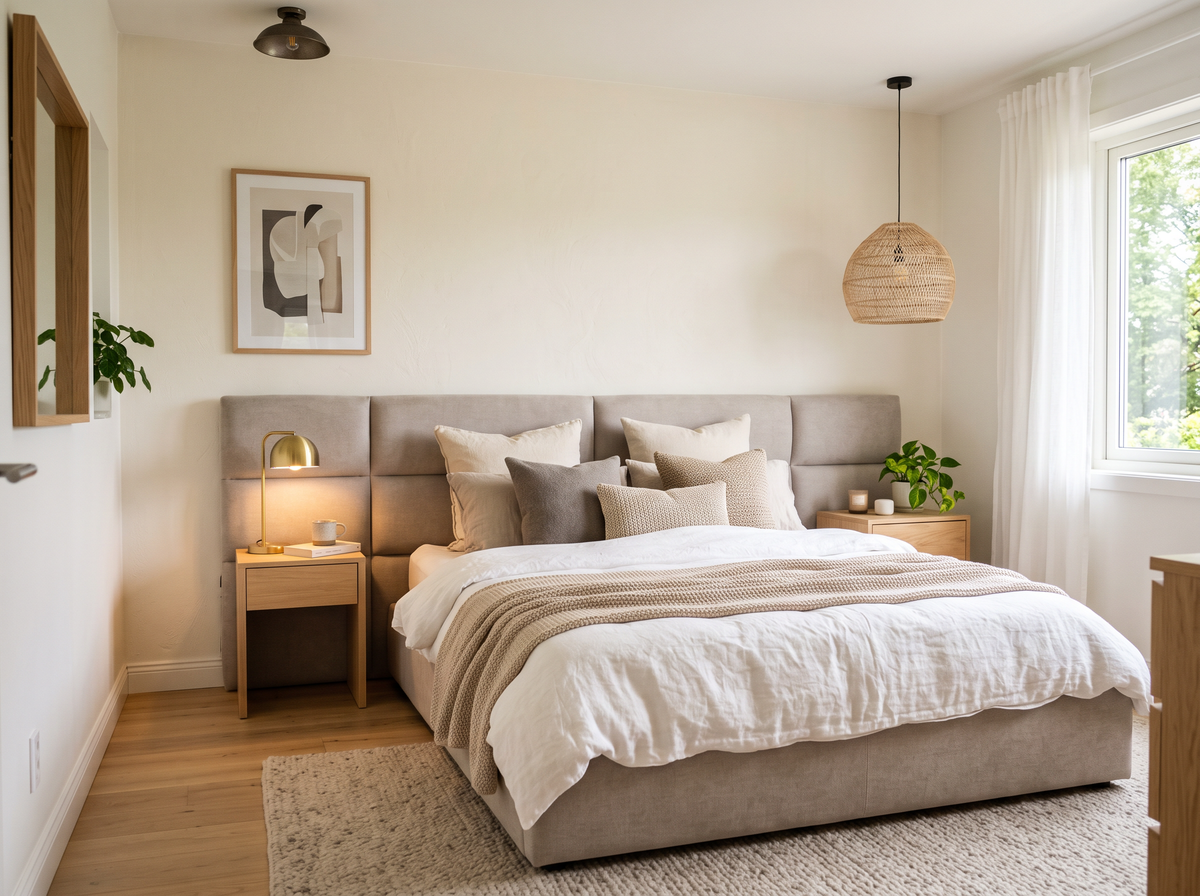
Łóżko tapicerowane – jak wybrać i czym różni się od innych łóżek?
Łóżko to jeden z najważniejszych mebli w sypialni. To nie tylko miejsce, w którym śpisz, ale również centralny punkt całej aranżacji – element, który nadaje wnętrzu charakter i wpływa na jego atmosferę. W ostatnich latach dużą popularnością cieszy się łóżko tapicerowane, które łączy wygodę, efektowny wygląd i możliwość dopasowania do różnych stylów wnętrz. Czym właściwie różni się od łóżek drewnianych czy kontynentalnych? Na co zwrócić uwagę podczas zakupu i czy warto wybrać model z pojemnikiem? Podpowiadamy, jak wybrać łóżko tapicerowane, które będzie dobrze wyglądać i służyć przez lata.
Czytaj więcejo Łóżko tapicerowane – jak wybrać i czym różni się od innych łóżek?
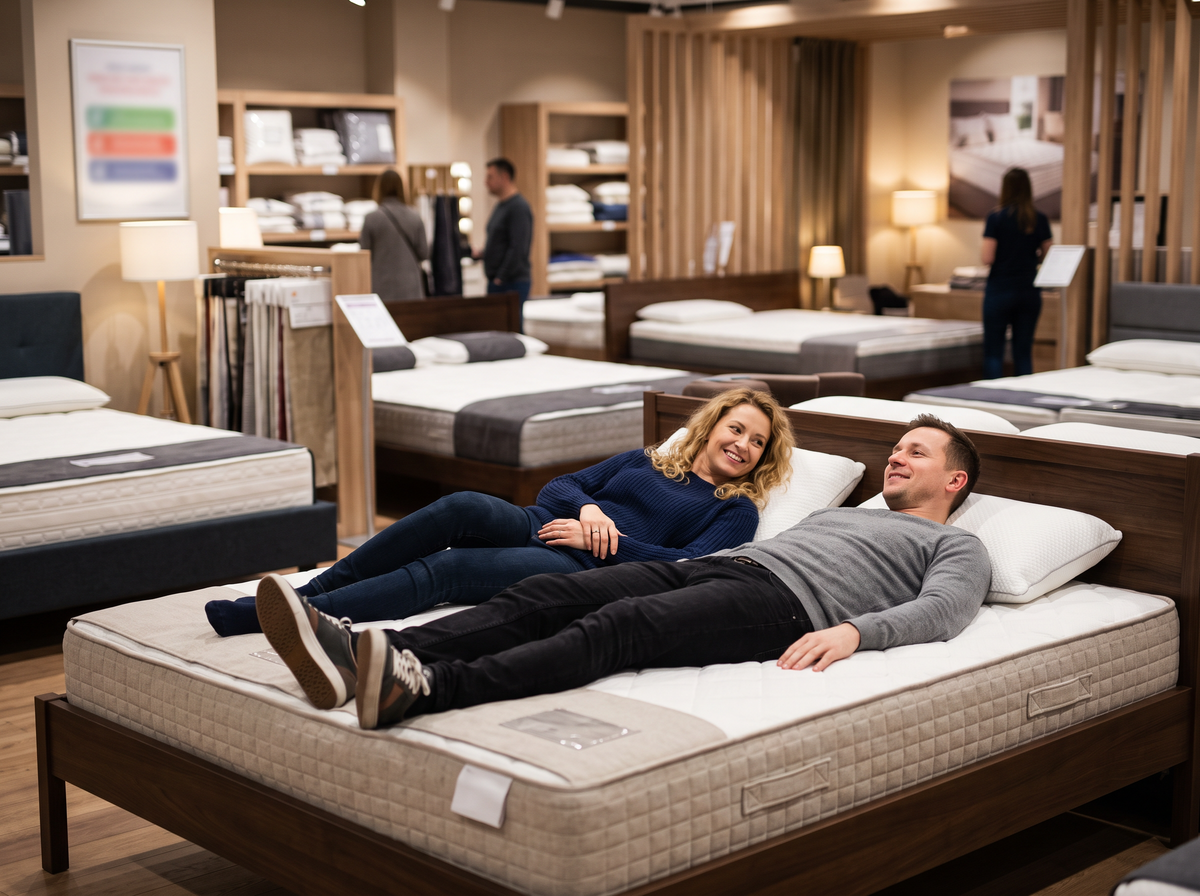
Materac piankowy czy sprężynowy? Porównanie, które pomoże Ci wybrać
Wybór materaca to jedna z tych decyzji, które mają bezpośredni wpływ na codzienny komfort. W końcu to właśnie na nim spędzamy znaczną część życia – odpoczywamy po intensywnym dniu, regenerujemy się i zaczynamy kolejny poranek. Nic więc dziwnego, że pytanie „materac piankowy czy sprężynowy?” pojawia się bardzo często podczas urządzania sypialni. Oba rozwiązania mają swoje zalety, ale różnią się konstrukcją, sposobem podparcia i odczuciami podczas snu. Który materac będzie lepszy dla Ciebie? Sprawdź najważniejsze różnice i dowiedz się, na co zwrócić uwagę przed zakupem.
Czytaj więcejo Materac piankowy czy sprężynowy? Porównanie, które pomoże Ci wybrać
Kącik czytelniczy Pilla: Todd Mcfarlane - "Spawn"
Zdradzony, zamordowany i odesłany prosto do piekła. Brzmi jak koniec historii? Niekoniecznie.
Spawn wraca na ziemię jako coś znacznie więcej niż człowiek, a wraz z nim zaczyna się historia pełna zemsty, demonów, osobistych dramatów i konfliktu dobra ze złem. No i jak się szybko okazuje, piekło chyba trochę przeceniło swoją kontrolę nad nowym dowódcą swojej armii.
Czytaj więcejo Kącik czytelniczy Pilla: Todd Mcfarlane - "Spawn"




Share:
Recliner Chair – How to Choose the Most Comfortable One and What to Look For
Upholstered Bed – What Is It, How to Choose and What Makes It Different?