


Elements of Interior Design – The Key Principles That Shape Every Interior
- Daniel Pawlik
Do you remember the specific scent of your childhood living room? Perhaps it was the dusty warmth of a velvet armchair where you sat while waiting for MTV to play your favorite music video, or the sleek, cold surface of a glass coffee table that held your collection of CD jewel cases. Those spaces weren't just rooms; they were the backdrop to our idyllic childhood, our teenage rebellion, and the chaotic beauty of our early adult years.
At Pillovely, we believe that "it is the human who creates the metamorphosis" of a house into a home. Our mission is to help you build a sanctuary that reflects your "own self" through high-quality elements of interior design that stand the test of time. For those who "want more" than just a catalog-perfect room, understanding the core interior design elements is the first step toward creating a space full of memories.
When we talk about interior design elements, we aren't just discussing furniture; we are discussing the building blocks of your daily peace and balance. Think of these interior elements as the chords in a classic 90s rock anthem—on their own, they are simple, but when arranged correctly, they create a masterpiece that resonates with your soul.
Modern adulthood often feels like a race against time, leaving us with a "lack of time for ourselves". That is why the foundation of every space must focus on functionality and comfort without breaking the bank. By mastering these interior design elements, you move away from the "prestige" trap of our competitors and toward a home where "you are someone" and "you are valuable".
Whether you are starting from scratch in a new apartment or performing a total "metamorphosis" on a room that has seen better days, these interior elements provide the structure needed for self-expression.

To truly understand how a room "feels," we must break down the 7 elements of design. These are the tools we use to tell the story of your home, blending the nostalgia of the past with the sleekness of modernity.
Space is the canvas. In our 2026 reality, we often struggle with physical space, making "functionality at a fair price" a top priority. Whether it’s the "piece of the floor" that belongs to you or a sprawling living area, how you fill (or don't fill) the space defines its energy.
Lines provide the skeleton of the room. Horizontal lines evoke a sense of stability and "peace," while vertical lines suggest height and strength. Dynamic, curved lines often remind us of the organic, natural shapes of the earth, which never go out of fashion.
Forms are the shapes of your interior design elements. A "form" can be geometric (man-made) or natural (organic). At Pillovely, we lean toward natural forms that offer "warmth of the home".
Light is the mood-setter. It’s what transforms a cold room into a "warm home". Good lighting solves the problem of a lack of "peace and balance" by creating a sanctuary where you can finally relax.
Our strategy at Pillovely focuses on "colors of the earth and nature"—beiges and greens. These colors promote a "calm and quiet" atmosphere while remaining authentic to the user's personality. Using the right color is a key part of the 7 elements of design because it triggers the "nostalgia" we value so much.
Texture is the unsung hero of the elements of interior design. It’s the difference between a sleek, modern sofa and a "sofa full of memories" that you want to sink into after a long day. Texture adds the "personalization" that makes a house feel like your atelier.
Patterns add the "rebellion" or "idyllic" charm to a space. Whether it’s a vintage-inspired wallpaper or a modern geometric rug, patterns help communicate your "own self".
When we discuss form in interior design, we are looking at the three-dimensional expression of your style. Form is what separates a generic chair from a piece of furniture that tells a "history".
In the 90s and 2000s, we saw a transition from the heavy, bulky forms of the previous generation to the sleeker, more experimental shapes of the new millennium. Pillovely bridges this gap. Our form in interior design is about "modernity" combined with a "sense of nostalgia". We want our furniture to be a "history of different people, from different eras and generations".
Take, for example, the Tedi armchair from our armchairs collection. Its soft, rounded form is a nod to the "family home" we remember. It’s designed for "those who want more" comfort and a better connection to their roots. When you choose a specific form in interior design, you are choosing the "character" of your room.
Remember that "personalization is you—you create it yourself". We provide the high-quality form, but you provide the life that happens within it. This is why our interior design elements are built for longevity; we want you to "clean, not throw away," treating every piece of furniture like a living history.

An interior design concept is the "vision" for your space. It is the "driver" for your community-building at home. Without a clear concept, a room is just a collection of objects. At Pillovely, our concept is "love for the warmth of home".
When looking at the 7 types of interior design that dominate the current landscape, we see a strong return of "vintage". However, we don't just return to the style; we return to the emotions.
Vintage/Retro: Bringing back the "nostalgia" of the 90s and 2000s.
Minimalism: Focuses on "peace and balance" and "functionality".
Eco/Natural: Using "earth colors" and "green" as an ecological approach.
Industrial: A nod to the "student life" and urban "rebellion".
Scandi (Hygge): Focuses on "comfort" and "warmth".
Boho: Emphasizes "personalization" and "expressing oneself".
Modern Classic: A blend of "modernity" and "tradition".
Your interior design concept should solve your specific problems, such as the need for "comfort at a fair price" or the desire for an "atelier" feel. Whether you are exploring the 7 types of interior design or creating a unique hybrid, Pillovely supports your "metamorphosis".
We aren't just a store; we are a community for "those who want more".
Which of the 7 elements of design will you focus on for your next metamorphosis? Explore our Full Catalog and start building a home that reflects the real you.
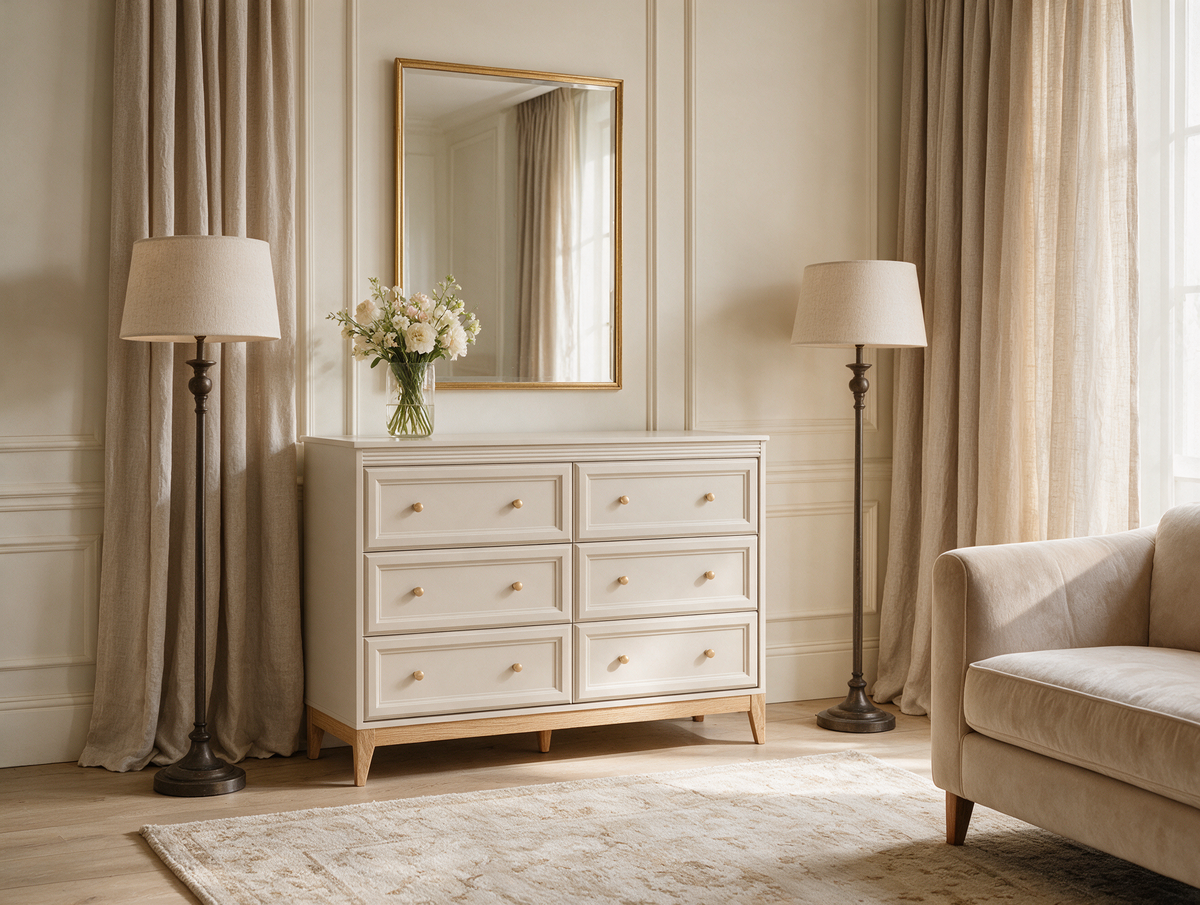
Styl klasyczny we wnętrzach – co to jest i jak urządzić elegancki, ponadczasowy dom?
Styl klasyczny to sposób urządzania wnętrz, który od dziesięcioleci nie wychodzi z mody. Opiera się na symetrii, harmonijnych proporcjach i szlachetnych materiałach, takich jak drewno, kamień czy miękkie tkaniny. Klasyczne wnętrze nie musi być jednak sztywne ani przypominać pałacowej sali – dobrze zaaranżowane jest przede wszystkim spokojne, wygodne i eleganckie. Liczy się w nim jakość, porządek i dbałość o detal, a nie przypadkowe dekoracje.
Czytaj więcejo Styl klasyczny we wnętrzach – co to jest i jak urządzić elegancki, ponadczasowy dom?
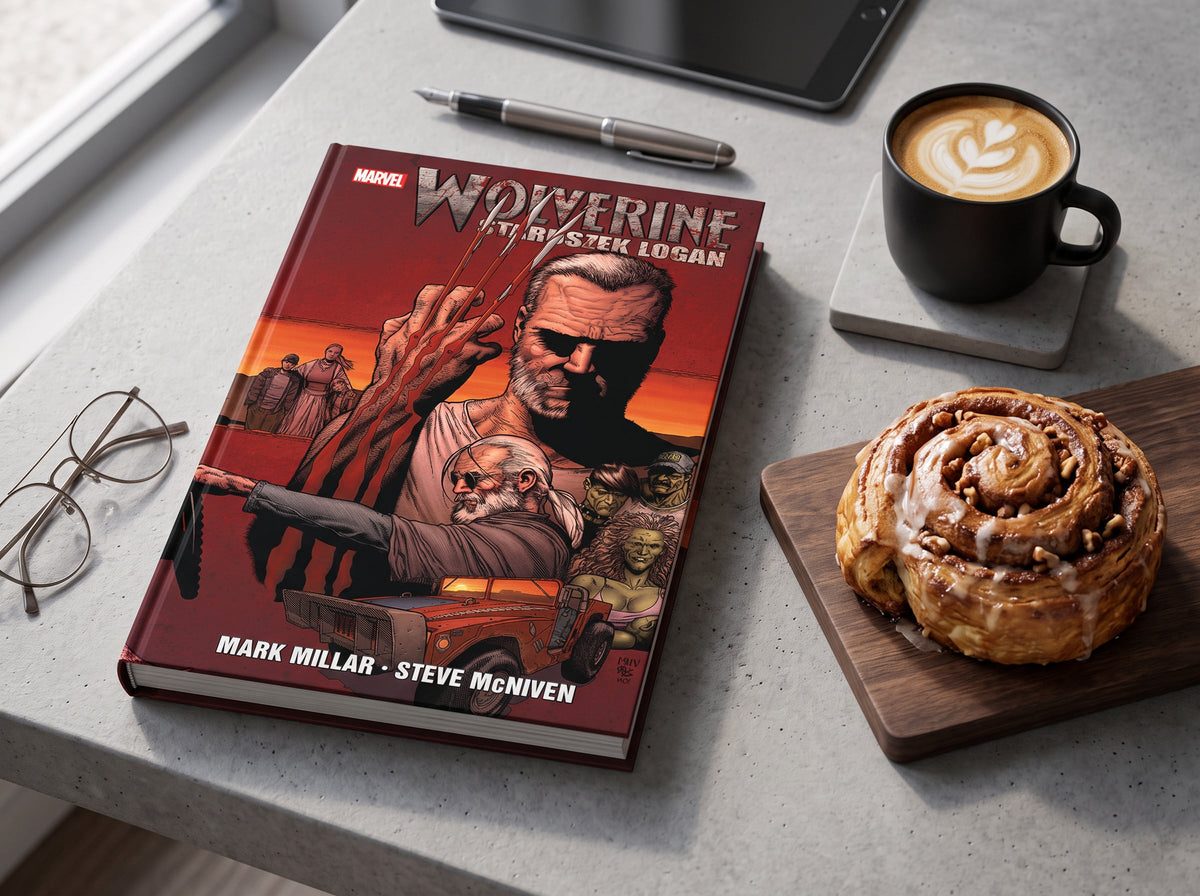
Kącik czytelniczy Pilla: Mark Millar, Steve Mcniven - "Wolverine - Staruszek Logan"
Wolverine – Staruszek Logan to komiks Marka Millara i Steve’a McNivena, który pokazuje najsłynniejszego mutanta Marvela w zupełnie nowym świetle. Postapokaliptyczny western, zmęczony życiem bohater i obietnica, której nie da się dotrzymać. Sprawdź, dlaczego ta historia o starym Loganie to jedna z najlepszych pozycji z Wolverine’em w roli głównej.
Czytaj więcejo Kącik czytelniczy Pilla: Mark Millar, Steve Mcniven - "Wolverine - Staruszek Logan"
Jak urządzić sypialnię na poddaszu? Praktyczny poradnik aranżacji skosów
Sypialnia na poddaszu to wnętrze z charakterem. Skosy, belki i okna dachowe tworzą klimat, którego trudno szukać w zwykłym pokoju w bloku. To jednak również przestrzeń wymagająca: niska ściana kolankowa ogranicza ustawienie mebli, a źle dobrane kolory potrafią sprawić, że pomieszczenie wydaje się ciasne. Dobrze zaplanowana sypialnia ze skosami może za to stać się najprzytulniejszym miejscem w całym domu – pod warunkiem, że zaczniesz od łóżka, potem dobierzesz niskie meble, a na końcu zadbasz o światło i tekstylia.
Czytaj więcejo Jak urządzić sypialnię na poddaszu? Praktyczny poradnik aranżacji skosów




Share:
Kids' Bedroom Colours – How to Choose Calming Colours That Support Development
Bottle Green Interiors – Timeless Elegance for Your Living Room