


Changing Table Ideas – How to Choose One and Use It Beyond the Nappy Years
- Daniel Pawlik
Do you remember the smell of talcum powder in your grandmother's house, and the old chest of drawers in the spare room where every baby in the family was once changed on a folded towel? Nobody spoke about changing table ideas back then. There was simply one sturdy piece of furniture, a soft blanket and a pair of hands that knew exactly what they were doing.
Fast forward to adulthood, and preparing a nursery can feel overwhelming. Lists of "essentials" grow longer every week, the room seems to shrink, and you quickly realise that some baby furniture is used for barely two years before it is pushed into the loft.
The good news is that a well-chosen changing table does not have to be one of those short-lived purchases. Chosen with care, it makes those early nappy changes easier on your back and later becomes ordinary, useful storage for clothes, toys or books.
At Pillovely, we believe furniture should grow with your family rather than be replaced every few years. You are valued, you are someone – and the corner where you spend so many sleepy night-time moments deserves to feel calm and safe.
Here is what you need to know, from size and height to giving the piece a second life.
The most important measurement is height. You will change nappies many times a day in the first months, so the surface should let you stand straight with relaxed shoulders. For most parents, a surface at roughly hip height – around 90–100 cm from the floor – works well; the simplest check is to stand next to the furniture with slightly bent elbows. If you already struggle with back pain, it is worth asking a physiotherapist for advice on posture.
A baby changing table is far more convenient when everything you need is within reach of one hand. Drawers are more practical than open shelves, because they keep nappies, wipes and spare vests tidy and out of sight. Full-extension runners let you see the whole drawer at a glance, even at three in the morning.
A good example is the Laanti chest of drawers 163 × 81 cm. Its wide top leaves space for a changing mat and a basket side by side, while six drawers on full-extension slides keep clothes, muslins and nappies neatly separated. With a topper on top, the working height moves closer to that comfortable hip level.

Many UK nurseries are box rooms, where a cot, a feeding chair and storage compete for a few square metres. Here, a small changing table should earn its place twice over: as a changing spot now and as storage for years to come.
Whatever you choose, keep the changing table away from the window, blind cords, radiators and shelves with small objects. The safest place is a stable piece of furniture against a solid wall, with good light and a clear path to the door.
In a tight room, a compact chest of drawers often works better than bulky dedicated baby furniture. A good example is the Mandala chest of drawers 106 × 80 cm in Japandi style. At just 38 cm deep, it keeps the walkway clear, while three wide full-extension drawers hold vests, sleepsuits and nappies – ideal next to a fold-down changer. For more ideas on planning the whole room, see our guide to nursery ideas for a safe and cosy room.
A dedicated changing unit is designed for one job, often with a fixed tray with raised edges and open shelves beneath. The downside is that it usually becomes surplus to requirements once your child is out of nappies.
The alternative is a changing table dresser – an ordinary chest of drawers with a removable changing topper. The topper is fixed securely during the baby years and taken off later.
For most families, a changing table with drawers plus a topper is the more sensible investment. Choose a topper designed for the dimensions of your top and follow the manufacturer's fitting instructions.
A good example is the Dust chest of drawers 137 × 81 cm. Its six drawers run on full-extension runners, and the smooth, handleless push-to-open fronts leave no knobs to bump into while you are changing. Once your toddler starts exploring, simple drawer locks will keep curious hands out. You will find more styles in our chests of drawers collection.
This is where a well-chosen nursery dresser really proves its worth. Once the topper comes off, you have a full-size chest of drawers that can stay put or move to another room.
To make reuse easier, choose a nursery dresser without cartoon prints or bright colours. Neutral fronts, quality handles and solid legs look just as good in a living room as they did next to the cot.
A good example is the Serena chest of drawers 136 × 100 cm in modern classic style. It has six soft-close drawers, routed fronts in a cashmere tone, gold-coloured knobs and 15 cm solid oak legs, so it suits a bedroom, living room or hallway long after the nappy years are over.

A nursery is the first chapter of a long family story, and its furniture should belong to the next chapters too. That is why at Pillovely we design honest pieces made to last.
The best changing table ideas are the ones that make the first months easier and still make sense years later. Choose a comfortable height, plenty of drawers and a stable piece fixed to the wall, and for furniture that lasts, pair a chest of drawers with a removable topper. Explore our complete collection of chests of drawers and bedroom furniture at Pillovely. Build a nursery that surrounds your family with warmth, nostalgia, and genuine comfort every single night.
Pillovely – For the love of home warmth.
Kącik filmowy Pilla: Koralina i tajemnicze drzwi (2009)
Halloween tuż-tuż, a my mamy dla Was filmową propozycję idealną na ten klimat! „Koralina i tajemnicze drzwi” to piękna, choć mroczna baśń, która zachwyci zarówno dzieci, jak i dorosłych. Sprawdźcie, dlaczego warto obejrzeć ją w te jesienne wieczory pod kocem.
Czytaj więcejo Kącik filmowy Pilla: Koralina i tajemnicze drzwi (2009)
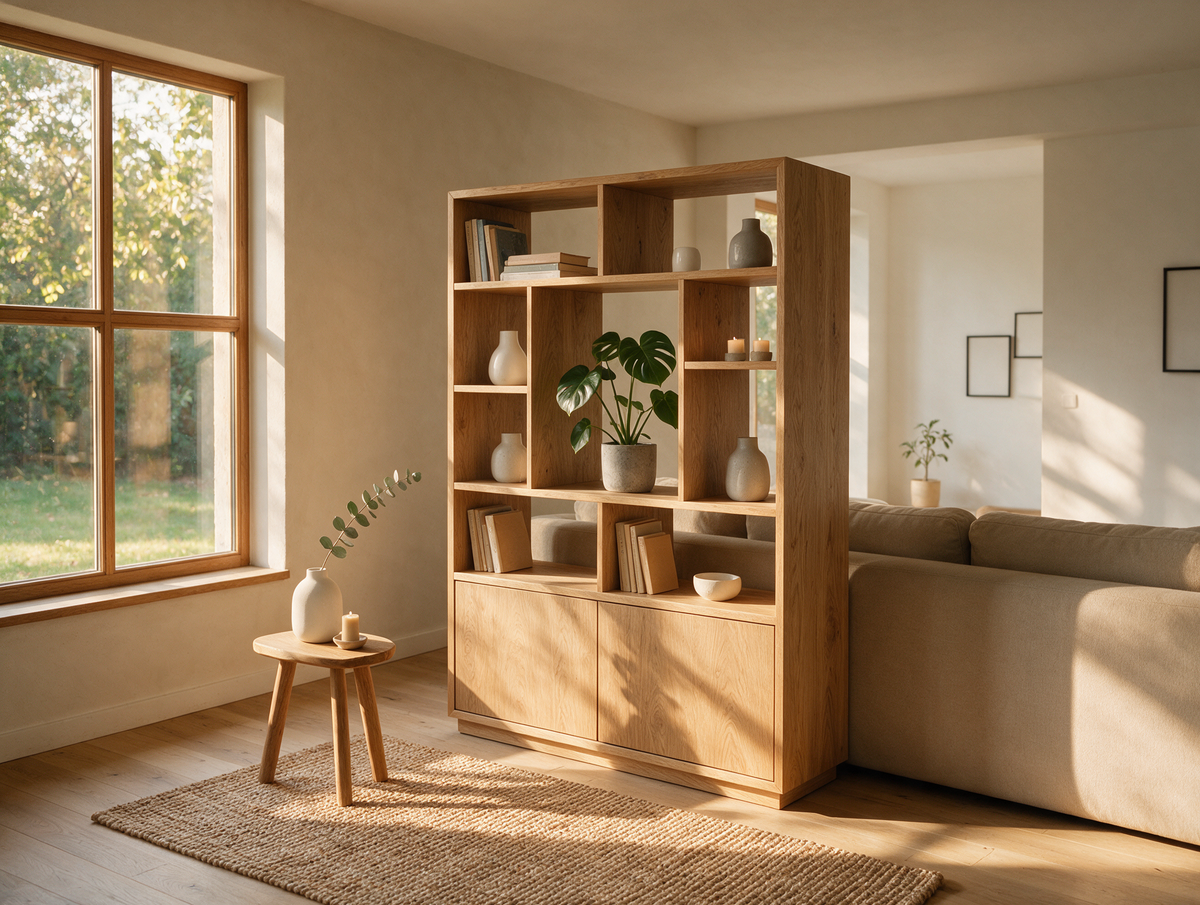
Regał do salonu – jaki wybrać i jak go funkcjonalnie zaaranżować?
Regał do salonu to mebel, który łączy przechowywanie z ekspozycją. Mieści książki, albumy, pudełka z drobiazgami i dekoracje, a przy okazji porządkuje ścianę i nadaje wnętrzu charakter. Dobrze dobrany nie przytłacza pomieszczenia, tylko staje się jego spokojnym tłem. Przy wyborze najważniejsze są trzy kwestie: rodzaj konstrukcji, proporcje dopasowane do ściany oraz sposób, w jaki zamierzasz go wypełnić.
Czytaj więcejo Regał do salonu – jaki wybrać i jak go funkcjonalnie zaaranżować?
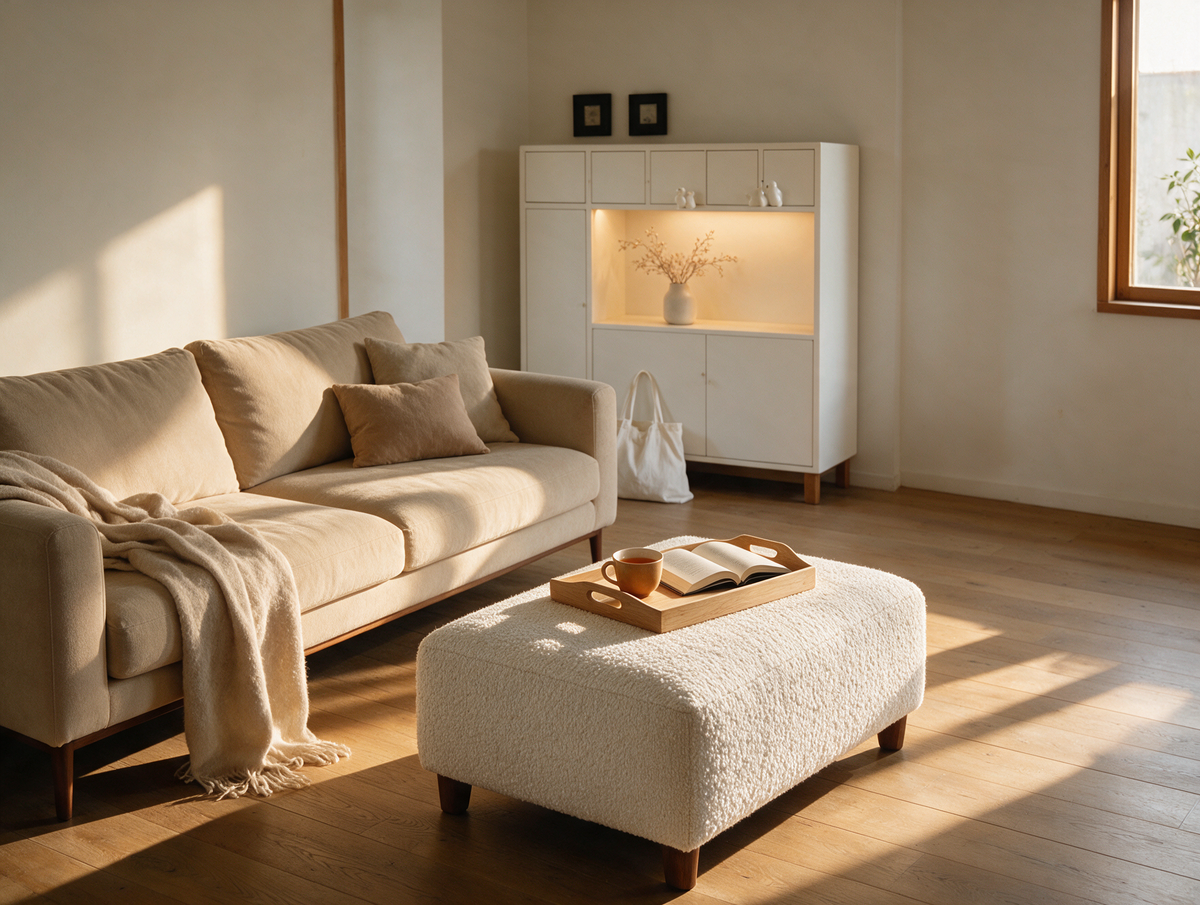
Pufa – jaką wybrać do salonu i sypialni oraz jak ją wykorzystać?
Pufa to niewielki, zwykle tapicerowany mebel bez oparcia, który w domu potrafi pełnić kilka ról naraz. Bywa dodatkowym siedziskiem dla gości, podnóżkiem do odpoczynku przed telewizorem, stolikiem na tacę z herbatą, a w niektórych modelach także schowkiem na koce czy drobiazgi. Przy wyborze najważniejsze są trzy rzeczy: funkcja, jaką ma spełniać, rozmiar dopasowany do sofy lub łóżka oraz tkanina, która poradzi sobie z codziennym użytkowaniem.
Czytaj więcejo Pufa – jaką wybrać do salonu i sypialni oraz jak ją wykorzystać?



Share:
Console Table Ideas – Where to Use One and How to Style It
Attic Bedroom Ideas – How to Make the Most of Sloped Ceilings