


- Daniel Pawlik
How to Clean a Sofa – The Complete Guide to Fabric and Leather Upholstery
- Daniel Pawlik
A sofa lives a full life. It carries the morning coffee, the Sunday afternoon nap, the friend who came over and stayed for dinner, the dog who isn't supposed to be there. Over a few years that life accumulates – a faint mark from a glass, a patch where the cat decided to settle, the slow dulling of fabric that simply forgot how new it used to look.
Knowing how to clean a sofa properly is the difference between a piece that ages with character and one that just looks tired. The good news: most sofas don't need professional cleaning more than once every few years – if the regular maintenance is right, the deep work is mostly preventive. In this guide we cover fabric upholstery, leather, steam cleaning, and the specific stains that send most people searching online at 9 p.m. on a Tuesday.
How to clean a fabric sofa at home depends on the upholstery – but the underlying routine is the same. Most fabric sofas benefit from a weekly habit and a quarterly deeper clean.
Weekly maintenance:
Vacuum the entire sofa with an upholstery attachment, including under the cushions and along the seams where dust and crumbs collect.
Rotate and flip cushions if they're reversible – it spreads wear evenly and keeps the silhouette intact.
Plump the back cushions; fibre fillings settle faster than people expect.
Quarterly deeper clean:
Before reaching for any product, check the care label tag, usually sewn under a cushion or on the bottom of the sofa. It carries one of four codes that tell you what's safe:
W – water-based cleaners are fine,
S – solvent-based cleaners only (no water),
WS – both are safe,
X – vacuum only, no liquid cleaning at home.
Once you know the code, the basic method for how to clean a fabric sofa at home looks like this:
Vacuum thoroughly first – cleaning over loose dirt grinds it into the fibres.
Mix a small amount of mild detergent (a teaspoon of clear washing-up liquid in 500 ml of warm water) for W or WS fabrics.
Apply with a soft microfibre cloth, lightly damp, never soaked. Work in small circular motions, one section at a time.
Wipe the residue with a clean cloth dampened with plain water.
Pat dry with a towel and let the section air-dry fully before sitting on it.
For everyday upkeep, a quick refresh with a fabric upholstery foam (sprayed on, brushed in, vacuumed off) works well between deeper cleans. If your sofa has removable, washable covers, the work becomes much simpler – follow the care label exactly, and don't tumble dry unless explicitly allowed.
Bouclé, velvet, and linen each have small quirks – covered in more detail in a dedicated fabric care guide.

Leather works on a different principle from fabric. Where fabric absorbs, leather sits on the surface – which means cleaning is easier in some ways and stricter in others. Skip the routine for too long and leather can dry out and crack; over-clean it with the wrong product and you can strip the finish.
How to clean a leather sofa, in order:
Dust and vacuum. Use a soft brush attachment to lift dust from the surface and the seams. Leather is more sensitive to abrasion than people realise.
Wipe with a barely damp microfibre cloth. Distilled water is gentler than tap water, especially if you live in a hard-water area. Wipe in one direction.
Use a dedicated leather cleaner for anything more than light dust. Test on a hidden patch first – on the back of the sofa, or under a cushion – before committing.
Condition every 6–12 months. A leather conditioner replaces the natural oils that evaporate over time. This is the step most people skip, and it's the reason older leather sofas often look prematurely tired.
Buff with a clean, dry cloth after conditioning. The finish should look soft and matte, never sticky.
What to avoid on leather:
baby wipes (the chemicals strip the finish),
vinegar or lemon juice (too acidic),
olive oil or coconut oil (they go rancid),
saddle soap (too aggressive for furniture leather),
direct sunlight or proximity to radiators – both dry out the leather.
If your leather has developed a crease or scratch, light buffing with a soft cloth and a small amount of conditioner often blends the mark back into the surrounding finish. For deeper damage, professional re-conditioning is the right call.
The question of whether you can steam clean a sofa comes up constantly, usually around the time someone notices their light-coloured sofa has darkened along the armrests. The honest answer: sometimes, with care.
When steam cleaning works:
on W and WS rated fabrics that can handle moisture,
on tightly woven cotton, linen blends, and most performance fabrics,
as a deep clean every 12–18 months, not as routine maintenance.
When steam cleaning is risky:
on S or X rated upholstery – steam can leave water rings or damage fibres,
on silk, viscose, and rayon – they shrink, warp, or stain when exposed to steam,
on leather – steam strips the finish and can cause cracking,
on velvet – steam can crush the pile permanently,
on any sofa whose foam hasn't fully dried between sessions – trapped moisture leads to mildew.
If you want to steam clean a sofa at home, a handheld upholstery steamer (rather than a full carpet cleaner) gives the most control. Hold the head 5–10 cm away from the fabric, move continuously, and never linger on one spot. Work in a well-ventilated room, and allow at least 24 hours of drying with windows open before sitting on the sofa again.
For heavily soiled sofas, a professional upholstery cleaner is almost always the better choice. The equipment extracts moisture far more effectively than home steamers, which dramatically reduces the risk of trapped water.
How to remove stains from a sofa depends entirely on the stain and the upholstery. The universal rule, before anything else: act immediately, blot, don't rub, and work from the outside of the stain inward to stop it spreading.
Common stains, with the gentlest method that genuinely works:
Red wine – blot immediately, sprinkle salt or talc to absorb the rest, leave for 10 minutes, vacuum off, then treat with cold water and mild detergent. Avoid hot water; it sets the stain.
Coffee and tea – blot, then use a 1:1 mix of cold water and white vinegar (on W fabrics only).
Ink – dab gently with a cotton bud soaked in surgical spirit or isopropyl alcohol; test first. Don't rub – ink spreads quickly.
Grease and oil – sprinkle baking soda or cornflour generously, leave 20 minutes to absorb, vacuum off, then spot-clean with a mild detergent.
Pet accidents – blot immediately with paper towels, then treat with an enzyme-based pet stain cleaner.
Chocolate – let it harden, scrape off gently with a blunt knife, then treat with mild detergent.
Blood – cold water only, never hot. Blot, repeat, and avoid oxygen bleach on coloured fabrics.
A few general sofa cleaning principles worth holding onto:
Test every method on a hidden patch first.
Less liquid is always better than more.
Patience beats pressure – let an absorbent treatment do its work before scrubbing.
When in doubt, call a professional rather than guess.
For sofas with removable covers, many stains can be solved by removing the cover entirely and washing it according to the label. Few features age a sofa more gracefully than a washable cover.

How often should I clean my sofa?
Weekly vacuuming, monthly spot-cleaning, and a deeper clean every 3–4 months. Professional cleaning once every 18–24 months for sofas in heavy daily use.
Can I use baking soda on a fabric sofa?
Yes, on W and WS fabrics. Sprinkle lightly, leave for 20 minutes to absorb odours and lift surface dirt, then vacuum thoroughly. Test on a hidden patch first.
How do I refresh a sofa that smells musty?
Vacuum thoroughly, sprinkle baking soda over the fabric, leave for 30 minutes, then vacuum off. Open windows for ventilation and check for trapped moisture inside the cushions.
Can I machine-wash sofa covers?
Only if the care label specifically allows it. Wash on a cool, gentle cycle and never tumble dry unless explicitly permitted – covers shrink fast and rarely fit again afterwards.
Sofa cleaning isn't dramatic work, but it is regular work – the small weekly habit that quietly extends the life of one of the most-used pieces of furniture in your home. Done consistently, it keeps a sofa looking like itself for years longer than it otherwise would. If you're looking for a piece built to age well with proper care – removable covers, durable fabrics, hardwood frames – the Pillovely collection is a calm place to start exploring.
Kącik czytelniczy Pilla: Mark Millar, Steve Mcniven - "Wolverine - Staruszek Logan"
Wolverine – Staruszek Logan to komiks Marka Millara i Steve’a McNivena, który pokazuje najsłynniejszego mutanta Marvela w zupełnie nowym świetle. Postapokaliptyczny western, zmęczony życiem bohater i obietnica, której nie da się dotrzymać. Sprawdź, dlaczego ta historia o starym Loganie to jedna z najlepszych pozycji z Wolverine’em w roli głównej.
Czytaj więcejo Kącik czytelniczy Pilla: Mark Millar, Steve Mcniven - "Wolverine - Staruszek Logan"
Jak urządzić sypialnię na poddaszu? Praktyczny poradnik aranżacji skosów
Sypialnia na poddaszu to wnętrze z charakterem. Skosy, belki i okna dachowe tworzą klimat, którego trudno szukać w zwykłym pokoju w bloku. To jednak również przestrzeń wymagająca: niska ściana kolankowa ogranicza ustawienie mebli, a źle dobrane kolory potrafią sprawić, że pomieszczenie wydaje się ciasne. Dobrze zaplanowana sypialnia ze skosami może za to stać się najprzytulniejszym miejscem w całym domu – pod warunkiem, że zaczniesz od łóżka, potem dobierzesz niskie meble, a na końcu zadbasz o światło i tekstylia.
Czytaj więcejo Jak urządzić sypialnię na poddaszu? Praktyczny poradnik aranżacji skosów
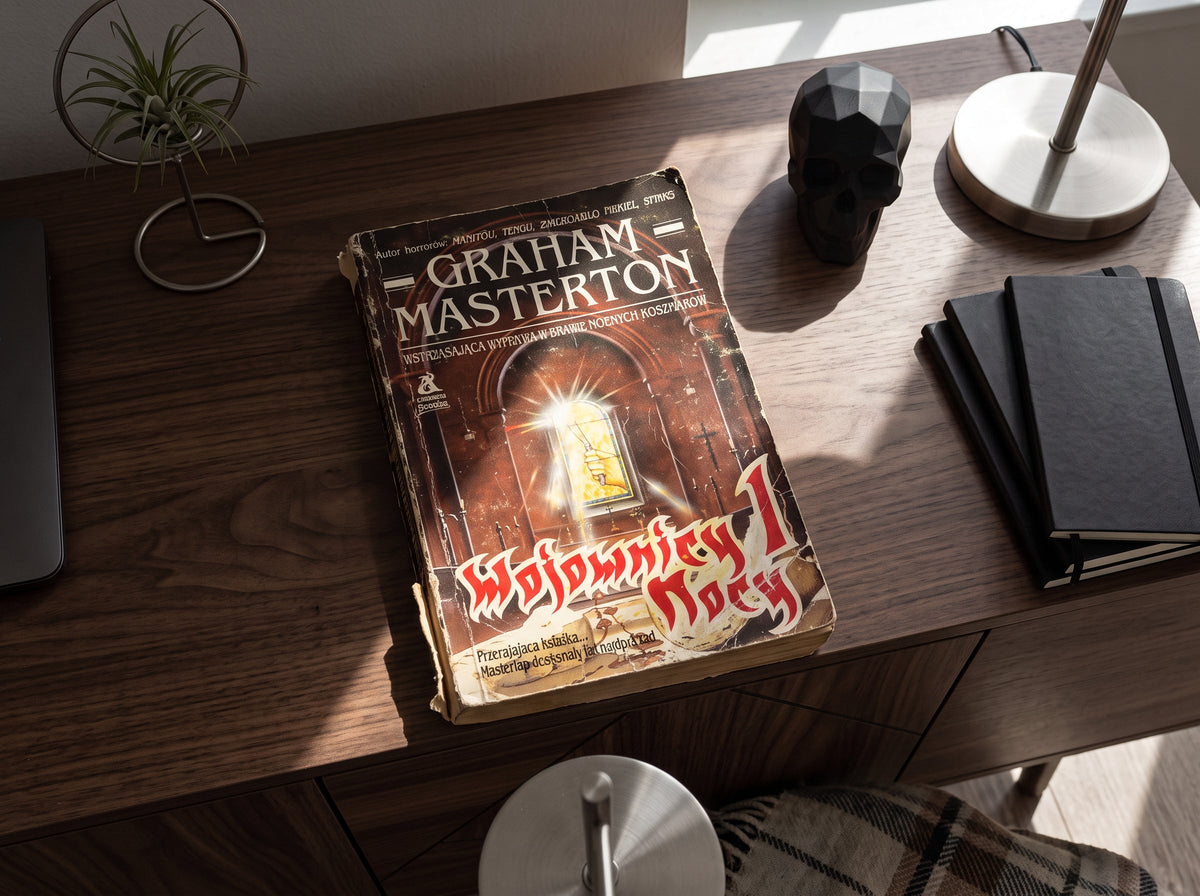
Kącik czytelniczy Pilla: Graham Masterton - "Cykl Wojownicy Nocy"
Wojownicy Nocy Grahama Mastertona to połączenie horroru, fantastyki i walki ze złem rozgrywającej się w świecie snów. Sprawdź, na czym polega ten nietypowy cykl i dlaczego po latach nadal dobrze się go czyta.
Czytaj więcejo Kącik czytelniczy Pilla: Graham Masterton - "Cykl Wojownicy Nocy"





Share:
Grey Sofa Living Room – Stylish Ideas to Transform Any Interior
Dining Chairs – How to Choose the Perfect Chairs for Your Dining Table